Exploring ways to incorporate sustainable living practices into daily life with kids opens up a world of possibilities. From teaching them about recycling to engaging them in gardening, the journey towards a more sustainable future can be both educational and fun.
Let's dive into some creative and practical tips for families looking to instill eco-friendly habits in their children.
Introducing Sustainable Living to Kids
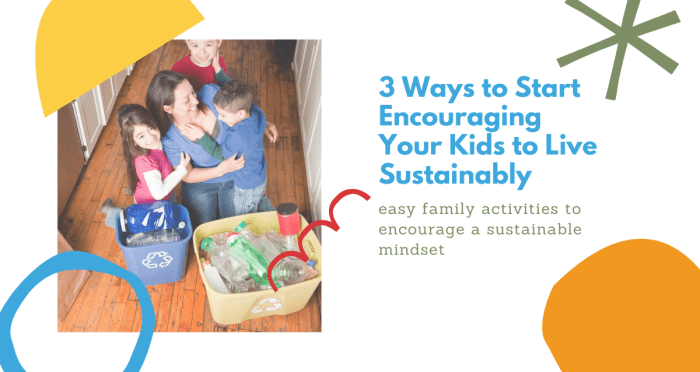
Explaining sustainability to kids is a crucial step in shaping their understanding of environmental responsibility and conservation. By introducing sustainable living at a young age, children can develop a lifelong commitment to caring for the planet. Here are some creative ways to teach kids about sustainability and engage them in eco-friendly practices.
Importance of Teaching Kids about Sustainable Practices
Teaching kids about sustainable practices is essential to instilling a sense of responsibility for the environment. By educating children about the impact of their actions on the planet, we can help them develop eco-conscious habits that will benefit the environment and future generations.
Here are some age-appropriate activities to introduce sustainability concepts to kids:
- Plant a Garden: Encourage kids to plant fruits, vegetables, or flowers in a garden. Teach them about the importance of plants in producing oxygen and supporting biodiversity.
- Reduce, Reuse, Recycle: Teach kids the basics of waste management by sorting recyclables, reusing items like containers or bags, and reducing single-use plastics.
- Nature Walks: Take kids on nature walks to observe wildlife, plants, and ecosystems. Discuss the importance of preserving natural habitats and respecting wildlife.
- Energy Conservation: Teach kids about saving energy by turning off lights when not in use, unplugging electronics, and using energy-efficient appliances.
- Water Conservation: Discuss the importance of saving water by taking shorter showers, fixing leaks, and using water responsibly in daily activities.
Incorporating Sustainable Practices into Daily Routine
Living sustainably with kids involves making simple changes to daily routines that have a positive impact on the environment. By incorporating eco-friendly practices into everyday life, families can reduce their carbon footprint and teach children the importance of caring for the planet.
Waste Management
One way to practice sustainability at home is by reducing waste. Encourage kids to recycle paper, plastic, and glass items instead of throwing them away. Set up separate bins for recyclables and compostable materials to make waste sorting easy and efficient.
Energy Consumption
Another important aspect of sustainable living is reducing energy consumption. Teach kids to turn off lights and electronics when not in use, and consider using energy-efficient appliances and light bulbs. Make it a fun challenge for kids to see how much energy they can save each month.
Water Usage
Conserving water is essential for sustainable living. Encourage kids to take shorter showers, fix leaky faucets, and only run the dishwasher or washing machine with full loads. Consider installing water-saving devices like low-flow showerheads and faucets to reduce water wastage.
Engaging Kids in Gardening and Composting
Gardening and composting are excellent ways to involve kids in sustainable practices while teaching them valuable lessons about the environment. It allows children to connect with nature, learn responsibility, and understand the importance of reducing waste.
Benefits of Involving Children in Gardening and Composting
- Teaches kids about the life cycle of plants and the importance of caring for living things.
- Promotes physical activity and time spent outdoors, enhancing their overall well-being.
- Encourages healthy eating habits as kids witness the growth of fruits and vegetables they helped cultivate.
- Instills a sense of accomplishment and pride as they see the results of their efforts in the garden.
Age-Appropriate Gardening Tips for Kids
- Start with easy-to-grow plants like sunflowers, radishes, or cherry tomatoes to maintain their interest and enthusiasm.
- Provide child-sized gardening tools and gloves to make the experience more enjoyable and manageable for them.
- Involve kids in every step of the gardening process, from planting seeds to watering and harvesting.
- Encourage them to ask questions, observe changes in the plants, and experiment with different gardening techniques.
Lessons Learned through Gardening and Composting
- Teaches children about the importance of caring for the environment and reducing waste through composting organic materials.
- Helps kids understand the concept of sustainability by showing how resources can be reused and recycled in nature.
- Encourages responsibility as children take on tasks like watering plants, turning compost, and maintaining the garden.
- Promotes a sense of connection to the Earth and fosters a desire to protect and preserve the environment for future generations.
Teaching Kids About Recycling and Upcycling
Teaching kids about recycling and upcycling is a great way to instill eco-friendly habits from a young age. It helps children understand the importance of reducing waste and reusing materials to protect the environment for future generations.
Importance of Recycling
- Explain to kids how recycling helps save energy and reduce pollution by reducing the need for new raw materials.
- Discuss the concept of the 3 R's - Reduce, Reuse, Recycle - and how it can make a positive impact on the planet.
- Involve kids in sorting recyclables at home and taking them to the recycling center to show them the process in action.
DIY Upcycling Projects
- Create a recycled art project using materials like old magazines, cardboard, and plastic bottles.
- Turn old clothes into new fashion pieces by adding embellishments or dyeing them in different colors.
- Repurpose glass jars into storage containers or vases by decorating them with paint or ribbons.
Environmental Impact of Recycling and Upcycling
- Explain to kids how recycling reduces greenhouse gas emissions and conserves natural resources like water and trees.
- Discuss how upcycling reduces waste in landfills and prevents harmful materials from leaching into the soil and water sources.
- Show kids examples of products made from recycled materials to demonstrate the possibilities of sustainable living.
Final Thoughts
In conclusion, practicing sustainable living with kids is not only beneficial for the environment but also helps instill important values in the younger generation. By involving children in activities like gardening, recycling, and upcycling, we can pave the way for a greener and more conscious future.
Start small, involve the whole family, and watch as these simple practices make a big difference over time.
Helpful Answers
How can I introduce sustainability to my kids in a creative way?
You can use fun activities like creating recycled art projects or planting a small garden to teach kids about sustainability in an engaging way.
What are some easy changes families can make to live more sustainably?
Simple changes like reducing water waste, recycling household items, and using energy-efficient appliances can all contribute to a more sustainable lifestyle.
Why is it important to involve kids in sustainable activities at home?
By involving kids in sustainable practices at home, you are not only teaching them important lessons about caring for the environment but also instilling lifelong habits that promote eco-conscious living.