Delving into Digital Wellness for Families: Managing Screen Time Wisely, this introduction immerses readers in a unique and compelling narrative, with a casual formal language style that is both engaging and thought-provoking from the very first sentence.
Exploring the impact of excessive screen time on family dynamics and the significance of managing it wisely sets the stage for a crucial discussion on digital wellness within families.
Introduction to Digital Wellness for Families
Digital wellness in the context of family life refers to the conscious effort to maintain a healthy balance between technology use and other aspects of family well-being. It involves promoting positive and mindful digital habits within the family unit.
Managing screen time wisely is crucial for families as excessive use of screens can have detrimental effects on family dynamics. It can lead to decreased communication, lack of quality time spent together, and potential negative impacts on mental and physical health.
The Impact of Excessive Screen Time on Family Dynamics
Research has shown that families who spend a significant amount of time on screens may experience a breakdown in communication and bonding. This can lead to decreased emotional connection between family members and a lack of meaningful interactions.
- Children who spend excessive time on screens may exhibit behavioral issues and have difficulty focusing on tasks.
- Parents who are constantly distracted by screens may struggle to engage with their children and provide necessary support and guidance.
- Excessive screen time can also lead to a sedentary lifestyle, impacting the overall health and well-being of family members.
Setting Screen Time Limits
Setting screen time limits for family members can have numerous benefits, such as promoting healthier habits, improving sleep quality, enhancing family bonding, and reducing the risk of screen addiction.
Benefits of Setting Clear Screen Time Limits
Establishing clear screen time limits helps in managing the amount of time spent on devices, leading to better time management, increased productivity, and improved mental well-being. It also encourages physical activity, creativity, and face-to-face interaction among family members.
Strategies for Communicating and Enforcing Limits
- Have an open discussion with family members about the importance of setting screen time limits and the reasons behind it.
- Set clear rules and consequences for exceeding screen time limits to ensure accountability.
- Use parental control tools or apps to monitor and manage screen time effectively.
- Lead by example and practice healthy screen time habits yourself.
Creating a Screen Time Schedule
Developing a screen time schedule that works for the whole family involves considering everyone's needs and preferences. Here are some tips to create an effective screen time schedule:
- Involve all family members in the planning process to ensure everyone's input is considered.
- Allocate specific time slots for screen use, such as after homework or before bedtime.
- Include breaks for physical activity, meals, and family time in between screen time sessions.
- Adjust the schedule as needed based on feedback and observations to find a balance that works for everyone.
Encouraging Digital Balance
Encouraging digital balance in families is crucial for overall well-being and healthy relationships. Finding a harmonious blend of screen time and offline activities can lead to improved mental health, better communication, and stronger family bonds.
Offline Activities to Promote Balance
Engaging in offline activities as a family can help create a healthy balance with digital devices. Some examples of offline activities include:
- Outdoor adventures like hiking, biking, or picnics in the park
- Arts and crafts projects that encourage creativity and hands-on learning
- Board games or puzzles for a fun and interactive way to spend time together
- Cooking or baking sessions where everyone can participate and enjoy a meal together
Role of Parental Modeling
Parents play a crucial role in shaping their children's digital habits through their own behavior. By modeling healthy screen time limits and demonstrating the value of offline activities, parents can instill positive habits in their children. Setting boundaries and engaging in activities together can show children the importance of balance and moderation when it comes to technology.
Using Technology Mindfully
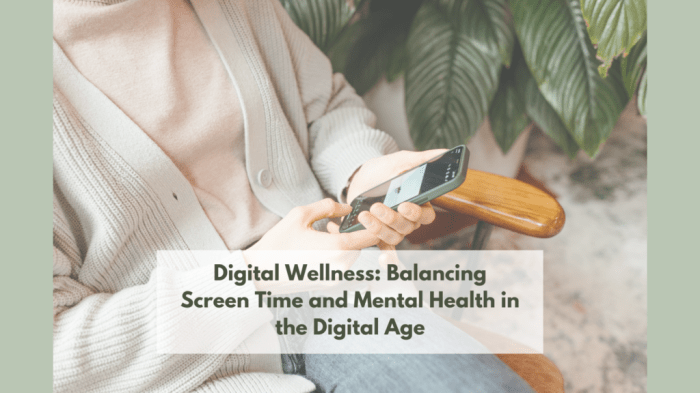
In today's digital age, it's crucial for families to practice mindful technology use to maintain healthy relationships and connections. Mindful technology use involves being intentional and aware of how we interact with devices and screens in our daily lives.
Tips for Mindful Technology Use
- Acknowledge the impact of technology: Understand how excessive screen time can affect relationships and overall well-being within the family.
- Set boundaries: Establish specific times where technology is allowed and create tech-free zones in the house to encourage face-to-face interactions.
- Use technology as a tool for connection: Encourage family members to engage in activities together through technology, such as playing online games or video chatting with relatives.
- Practice digital balance: Encourage a healthy balance between screen time and other activities like outdoor play, reading, or hobbies.
- Be present and engaged: During family interactions, prioritize being fully present and engaged without distractions from devices, showing respect and active listening to each other.
Last Recap
In conclusion, adopting strategies for setting screen time limits, promoting digital balance, and using technology mindfully can greatly enhance family well-being in today's digital age. Implementing these practices can lead to healthier relationships and a more connected family unit.
FAQ Guide
What are the benefits of setting clear screen time limits for family members?
Setting clear limits helps in preventing excessive screen time, promoting healthier habits, and fostering better communication within the family.
How can parents effectively communicate and enforce screen time limits?
Effective communication involves setting clear expectations, discussing the reasons behind the limits, and being consistent in enforcing them. Parents can use positive reinforcement and lead by example.
What offline activities can families engage in to promote digital balance?
Families can explore outdoor activities, board games, reading together, or cooking as ways to disconnect from screens and bond with each other.
Why is parental modeling important for encouraging healthy digital habits in children?
Children often mimic their parents' behavior, so when parents demonstrate mindful technology use and set boundaries, children are more likely to follow suit and develop healthier digital habits.