Delving into Budgeting for Home Automation: Smart Tips for Beginners, this introduction immerses readers in a unique and compelling narrative. Exploring the world of home automation can be both exciting and daunting for beginners. From understanding the basics to setting a budget and prioritizing upgrades, this guide will provide valuable insights to help you embark on your home automation journey.
Understanding Home Automation
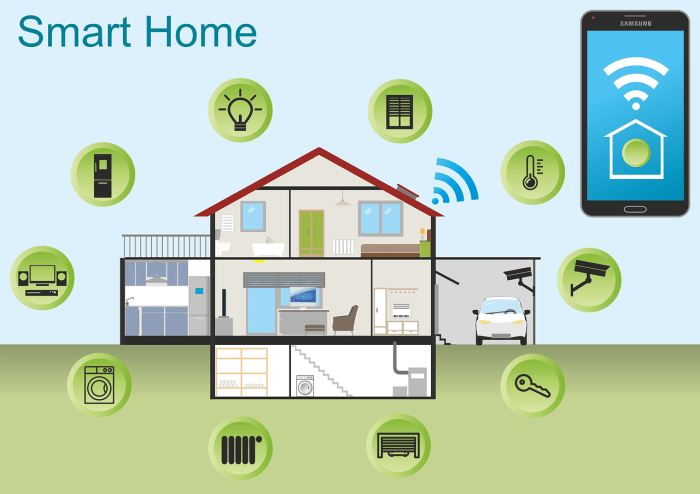
Home automation refers to the integration of technology and electronic devices in a household to automate and control various functions. This allows homeowners to remotely manage and monitor different aspects of their home, such as lighting, heating, security, and entertainment systems.
Common Devices Used in Home Automation
- Smart Thermostats: These devices can adjust the temperature of your home based on your preferences and schedule, helping you save energy and money.
- Smart Lighting: You can control the lighting in your home remotely, set schedules, and even change the color and intensity of the lights.
- Smart Security Systems: These systems include cameras, sensors, and alarms that can be monitored and controlled from your smartphone, providing peace of mind when you're away from home.
- Voice Assistants: Devices like Amazon Alexa and Google Home can be used to control various smart devices in your home through voice commands.
Benefits of Implementing Home Automation Systems
- Convenience: Home automation allows you to automate routine tasks and control your home from anywhere, making life easier and more efficient.
- Energy Efficiency: By optimizing energy usage with smart devices, you can reduce your utility bills and minimize your environmental impact.
- Security: Smart security systems provide added protection and peace of mind, with features like remote monitoring and instant alerts in case of suspicious activity.
- Customization: You can personalize your smart home setup to fit your lifestyle and preferences, creating a more comfortable and enjoyable living environment.
Setting a Budget for Home Automation
When embarking on a home automation project, one of the crucial steps is setting a budget. This involves determining how much you are willing to invest in smart devices and systems to enhance your living space. Here are some tips to help you establish a budget that aligns with your needs and financial capacity.
- Research Different Home Automation Devices and Systems: Before setting a budget, explore the various smart devices and systems available in the market. Compare their features, functionalities, and prices to understand the range of options you have.
- Consider Initial Setup Costs: Factor in the upfront costs of purchasing and installing home automation devices. This includes the cost of devices themselves, any additional equipment needed for installation, and professional installation services if required.
- Account for Long-Term Maintenance: In addition to the initial setup costs, consider the long-term maintenance expenses associated with home automation. This may include software updates, repairs, and replacements of devices over time. Make sure to budget for these ongoing costs to ensure the sustainability of your home automation system.
Prioritizing Smart Home Upgrades
When it comes to upgrading your home with smart technology, it's important to prioritize which areas to focus on first. By strategically selecting the most essential upgrades, you can gradually build a more efficient and convenient smart home.
Essential Smart Home Upgrades for Beginners
- Smart Lighting: Investing in smart light bulbs or switches can enhance the ambiance of your home and help you save on energy costs.
- Smart Thermostat: A smart thermostat can regulate the temperature in your home, saving you money on heating and cooling expenses.
- Smart Security System: Enhance the safety of your home with a smart security system that includes features like cameras, sensors, and alarms.
Creating a Phased Approach to Smart Home Upgrades
Given budget constraints, it's wise to plan your smart home upgrades in phases. This approach allows you to gradually implement new technologies without straining your finances.
- Start with the Basics: Begin by installing foundational smart devices like lighting and thermostats before moving on to more advanced systems.
- Prioritize High-Traffic Areas: Focus on automating areas of your home that are frequently used, such as the living room, kitchen, and bedrooms.
- Research Cost-Effective Options: Look for budget-friendly smart home products that offer good value for money without compromising on quality.
DIY vs. Professional Installation
When it comes to setting up your home automation system, one of the key decisions you'll need to make is whether to opt for a DIY installation or hire professionals to do the job for you. Both options have their own set of advantages and disadvantages, as well as cost implications that should be considered carefully.
Here's a breakdown to help beginners decide between the two:
Advantages and Disadvantages
- DIY Installation:
- Advantages:
- Cost-effective as you won't have to pay for professional installation services.
- Flexibility to customize the setup according to your preferences.
- Opportunity to learn more about the technology and how it works.
- Disadvantages:
- May require more time and effort, especially for beginners who are unfamiliar with the process.
- Potential for errors or mistakes that could affect the overall functionality of the system.
- Limited warranty or support compared to professional installations.
- Professional Installation:
- Advantages:
- Expertise and experience from professionals who know how to set up the system correctly.
- Guaranteed installation quality and functionality.
- Technical support and assistance post-installation.
- Disadvantages:
- Higher upfront cost due to professional service fees.
- Less flexibility in customization as professionals may follow standard installation procedures.
- Dependency on external help for any future modifications or upgrades.
Cost Implications
DIY installations are generally cheaper upfront, but may cost more in terms of time and potential mistakes. Professional installations come with a higher initial cost, but offer expertise and guaranteed functionality.
Considerations for Beginners
- Assess your comfort level with technology and DIY projects before deciding on the installation method.
- Evaluate the complexity of the home automation system you plan to install and whether you have the necessary skills to set it up correctly.
- Consider the long-term maintenance and support required for the system, as professional installations may offer better assistance in case of issues.
Energy Efficiency and Cost Savings
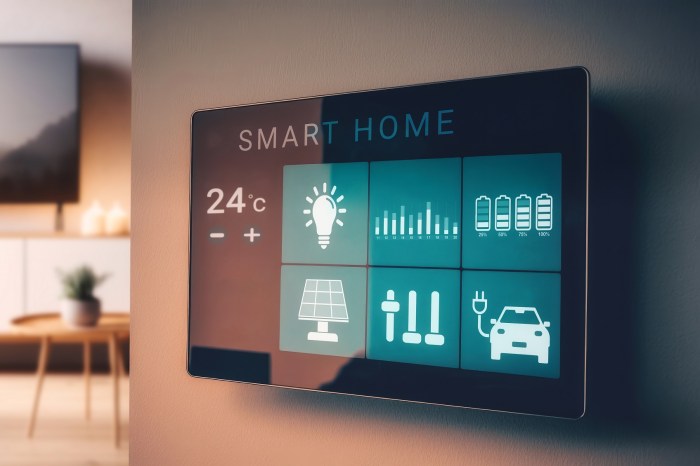
Implementing home automation can greatly contribute to energy efficiency and cost savings. By incorporating smart devices and systems, homeowners can monitor and control their energy usage more effectively, leading to reduced utility bills and a more environmentally friendly household.
Smart Devices for Energy Efficiency
- Smart Thermostats: These devices can adjust the temperature based on occupancy and preferences, optimizing energy usage for heating and cooling.
- Smart Lighting: Energy-efficient LED bulbs and smart lighting systems can be programmed to turn off when not in use or adjust brightness levels for maximum efficiency.
- Smart Appliances: Energy-efficient appliances, such as smart refrigerators, washing machines, and dishwashers, can help reduce energy consumption and lower utility costs.
Long-Term Financial Benefits
Investing in energy-efficient smart home solutions can lead to significant long-term financial benefits. While the initial cost may be higher than traditional devices, the savings on utility bills over time can offset the initial investment. Additionally, energy-efficient homes tend to have higher resale value and appeal to environmentally conscious buyers, further increasing the financial benefits of home automation.
Integrating Home Automation with Existing Systems
When adding new smart devices to your existing home setup, it's essential to ensure a smooth integration process. This involves considering compatibility issues, finding solutions, and taking steps to guarantee a seamless transition.
Tips for Integrating New Smart Devices
- Check compatibility: Before purchasing any new smart device, make sure it is compatible with your existing home automation system. Look for products that support common protocols like Zigbee or Z-Wave to ensure seamless integration.
- Update firmware: Ensure that all your current devices have the latest firmware updates to avoid any compatibility issues when adding new devices.
- Centralize control: Consider using a smart hub or controller to manage all your devices from a single interface, making it easier to control and monitor your smart home.
Compatibility Issues and Solutions
- Protocol conflicts: If you encounter protocol conflicts between devices, consider using a bridge or gateway to facilitate communication between different technologies.
- Smart home platforms: Choose smart devices that are compatible with popular platforms like Amazon Alexa or Google Assistant to ensure smooth integration and voice control.
Ensuring a Seamless Transition
- Gradual implementation: Integrate new devices slowly to test compatibility and identify any issues before adding more smart technology to your home.
- Professional assistance: Consider consulting with a professional installer to ensure a seamless transition and avoid any potential integration problems.
Final Review
In conclusion, Budgeting for Home Automation: Smart Tips for Beginners offers a comprehensive look at the essential aspects of home automation budgeting. By following the tips Artikeld in this guide, beginners can navigate the complexities of smart home technology with confidence and ease.
Start your journey towards a more automated and efficient home today!
Essential FAQs
What are some common devices used in home automation?
Common devices include smart thermostats, smart lighting systems, smart security cameras, and voice assistants like Alexa or Google Assistant.
How can home automation contribute to energy efficiency?
Home automation can optimize energy usage by controlling devices remotely, adjusting settings based on occupancy, and monitoring energy consumption in real-time.
Is DIY installation better than professional installation for home automation?
DIY installation is cost-effective but may require technical expertise, while professional installation ensures proper setup and integration of devices.