Exploring the transformative impact of wellness centers on the future of healthcare, this article delves into the innovative approaches and services that are reshaping the industry. Get ready to uncover how these centers are revolutionizing the way we approach health and well-being.
Overview of Wellness Centers in Healthcare
Wellness centers play a crucial role in the healthcare industry by focusing on holistic health and preventive care rather than just treating illnesses. These centers are designed to promote overall well-being and address the physical, mental, and emotional aspects of health.
Differences from Traditional Healthcare Facilities
Wellness centers differ from traditional healthcare facilities in their approach to healthcare. While traditional healthcare facilities primarily focus on diagnosing and treating medical conditions, wellness centers emphasize the importance of preventive care, lifestyle modifications, and health education.
Role in Promoting Holistic Health and Preventive Care
Wellness centers promote holistic health by offering a variety of services such as nutrition counseling, fitness programs, stress management techniques, alternative therapies, and mindfulness practices. These centers aim to empower individuals to take control of their health and well-being by adopting healthy lifestyle choices and preventive measures.
Services Offered at Wellness Centers
Wellness centers offer a variety of services aimed at improving overall health and well-being. These services encompass physical, mental, and emotional aspects of wellness, providing a holistic approach to healthcare.
Common Services Provided
- Fitness Programs: Wellness centers often offer fitness classes, personalized workout plans, and access to gym equipment to help individuals stay active and improve their physical health.
- Nutrition Counseling: Nutritionists and dietitians at wellness centers provide personalized meal plans, dietary advice, and support to help individuals make healthier food choices.
- Mental Health Services: Many wellness centers offer counseling, therapy sessions, and support groups to address mental health concerns such as stress, anxiety, and depression.
Contribution to Overall Health
These services contribute to improving overall health and well-being by addressing various aspects of wellness. Fitness programs help individuals stay physically active, which can reduce the risk of chronic diseases and improve cardiovascular health. Nutrition counseling ensures individuals are getting the necessary nutrients to support their health and energy levels.
Mental health services offer support and coping strategies for emotional well-being, reducing stress and improving mental clarity.
Innovative or Specialized Services
- Alternative Therapies: Some wellness centers offer alternative therapies such as acupuncture, massage therapy, or chiropractic care to promote relaxation, reduce pain, and improve overall well-being.
- Wellness Workshops: These centers may host workshops on topics like mindfulness, stress management, or healthy cooking to educate individuals on holistic health practices.
- Technology-Based Solutions: Innovative wellness centers may provide access to health tracking apps, virtual fitness classes, or telehealth services to enhance convenience and accessibility for their clients.
Integration of Technology in Wellness Centers
Technology is revolutionizing the way wellness centers operate, providing patients with enhanced experiences and improving overall healthcare outcomes.
Benefits of Using Technology in Monitoring and Tracking Health Metrics
Integrating technology into wellness centers allows for real-time monitoring and tracking of health metrics, leading to more personalized and proactive healthcare interventions. Some benefits include:
- Improved accuracy in data collection and analysis
- Early detection of health issues
- Enhanced communication between patients and healthcare providers
- Empowerment of patients to take control of their health
Examples of Cutting-Edge Technologies Used in Wellness Centers
Wellness centers are incorporating various cutting-edge technologies to provide state-of-the-art healthcare services. Some examples include:
- Telemedicine platforms for virtual consultations
- Wearable devices for continuous health monitoring
- Artificial intelligence for personalized treatment plans
- Data analytics tools for predicting health trends
Impact on Healthcare Delivery
Wellness centers are revolutionizing the landscape of healthcare delivery by focusing on preventive and holistic care, rather than just treating illnesses. This shift has the potential to bring about significant changes in the way healthcare services are provided and accessed.
Potential Cost Savings and Improved Outcomes
Wellness centers offer a proactive approach to healthcare, which can lead to cost savings in the long run. By emphasizing preventive measures and lifestyle changes, individuals may avoid costly medical interventions for chronic conditions. This can result in reduced healthcare expenses for both patients and healthcare systems.
Shift Towards Preventive and Holistic Care
With the rise of wellness centers, there is a growing emphasis on preventive care and holistic approaches to health and wellness. These centers focus on addressing the root causes of health issues, rather than just treating symptoms. By promoting healthy lifestyle habits and wellness programs, individuals can take control of their health and well-being, leading to improved outcomes and quality of life.
Wellness Centers and Community Engagement
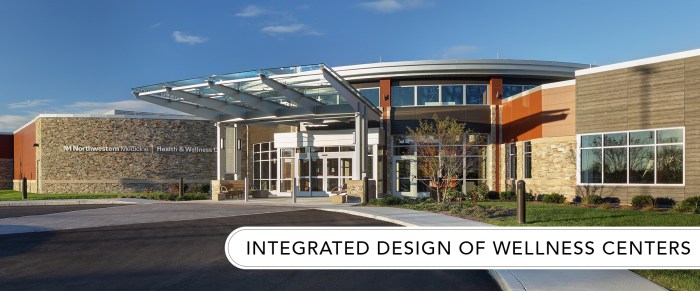
Community engagement is a vital aspect of wellness centers as they strive to promote health and wellness among local residents. By actively involving the community, wellness centers can create a more impactful healthcare environment that addresses the specific needs and challenges of the population they serve.
Outreach Programs and Partnerships
Wellness centers often organize outreach programs such as health fairs, workshops, and educational seminars to engage with the local community. These initiatives provide valuable information on preventive care, healthy lifestyle choices, and disease management. Additionally, wellness centers form partnerships with local organizations, schools, and businesses to extend their reach and impact.
- Health Fairs: These events offer free health screenings, consultations, and information on various health topics to community members.
- Workshops and Seminars: Wellness centers conduct workshops on nutrition, fitness, stress management, and other wellness-related topics to educate and empower individuals to take charge of their health.
- Partnerships with Schools: Collaborating with schools allows wellness centers to reach children and adolescents with important health education programs and services.
- Community Organizations: By partnering with local community organizations, wellness centers can leverage existing networks to reach a broader audience and provide tailored healthcare solutions.
Importance of Community Involvement
Community involvement plays a crucial role in shaping the future of healthcare through wellness centers. By actively engaging with the local population, wellness centers can better understand the unique health needs and challenges faced by the community. This insight allows them to tailor their services and programs to address specific issues and promote overall well-being.
Community engagement fosters a sense of ownership and empowerment among individuals, encouraging them to actively participate in their healthcare journey and make informed decisions about their health.
Outcome Summary
In conclusion, the evolving landscape of healthcare is being shaped by the holistic and preventive care offered by wellness centers. As we move towards a future focused on community engagement and technological advancements, the role of these centers in promoting overall well-being cannot be overlooked.
FAQ Overview
How are wellness centers different from traditional healthcare facilities?
Wellness centers focus on holistic health and preventive care, while traditional facilities often treat illnesses reactively.
What are some examples of cutting-edge technologies used in wellness centers?
Some wellness centers utilize wearable health trackers, telemedicine services, and AI-driven health monitoring systems.
How do wellness centers engage with the local community?
Wellness centers often organize health workshops, fitness classes, and collaborate with local organizations to promote well-being in the community.