In today's fast-paced world, the fusion of home automation with energy efficiency is revolutionizing how we live. This dynamic combination not only enhances our daily lives but also contributes to a sustainable future. As we delve into the realm of smart homes and eco-friendly practices, a plethora of advantages await those who embrace this innovative approach.
As we explore the myriad benefits that come with integrating automation and energy efficiency, it becomes evident that this union is more than just a trend—it's a smart choice for homeowners seeking comfort, convenience, and cost savings.
Overview of Home Automation and Energy Efficiency
Home automation refers to the use of smart technology to control various aspects of a home, such as lighting, heating, cooling, security systems, and appliances. Energy efficiency, on the other hand, focuses on reducing energy consumption and minimizing waste. When these two concepts are combined, homeowners can not only enjoy the convenience of automated systems but also save energy and reduce utility costs.
Examples of Energy-Efficient Devices
- Smart Thermostats: These devices can adjust the temperature based on your schedule and preferences, optimizing energy usage.
- LED Lighting: LED bulbs are more energy-efficient than traditional incandescent bulbs and can be controlled remotely through a smart home system.
- Energy-Efficient Appliances: Appliances with high Energy Star ratings consume less electricity and can be integrated into a home automation system for better efficiency.
Importance of Combining Home Automation with Energy Efficiency
By integrating energy-efficient devices into a home automation system, homeowners can reduce their carbon footprint, lower energy bills, and create a more sustainable living environment. Smart technology allows for better control and monitoring of energy usage, leading to overall energy savings and a greener lifestyle.
Energy-Saving Benefits
Implementing a home automation system can lead to significant energy-saving benefits for homeowners. By utilizing smart technology to control various aspects of energy usage within the home, such as lighting, heating, and cooling, individuals can optimize their energy consumption and reduce waste.
Reduced Energy Consumption
Home automation systems enable users to remotely monitor and adjust energy usage, ensuring that appliances are only running when necessary. For example, smart thermostats can learn the household's schedule and adjust the temperature accordingly, leading to reduced energy consumption compared to traditional thermostats that operate on a fixed schedule.
- Smart lighting systems can automatically turn off lights in unoccupied rooms or adjust brightness levels based on natural light, saving energy and reducing electricity bills.
- Automated blinds or shades can be programmed to open and close at specific times to regulate the home's temperature, reducing the need for heating or cooling.
Comparison with Traditional Homes
Studies have shown that homes equipped with automation systems consume significantly less energy compared to traditional homes. According to the U.S. Department of Energy, households can save up to 10-30% on energy bills by incorporating smart devices and systems into their homes.
By integrating home automation with energy efficiency measures, homeowners can achieve substantial cost savings and contribute to environmental conservation.
Success Stories and Case Studies
Several case studies have demonstrated the effectiveness of home automation in reducing energy bills. For instance, a family in California reported a 20% decrease in their electricity bills after installing a smart thermostat and implementing energy-saving practices based on the system's recommendations.
- In another study, a homeowner in Texas saw a 15% reduction in energy consumption by using smart plugs to regulate the usage of electronics and appliances.
- A condominium complex in New York City implemented a smart lighting system, resulting in a 25% decrease in electricity usage for common areas.
Environmental Impact
Combining home automation with energy efficiency not only benefits homeowners but also has a positive impact on the environment. By utilizing smart devices and technologies to optimize energy usage, households can significantly reduce their carbon footprint and contribute to overall sustainability.
Reducing Energy Consumption
Smart devices such as programmable thermostats, smart lighting systems, and energy-efficient appliances help homeowners monitor and control their energy usage more effectively. This leads to a decrease in overall energy consumption, resulting in lower greenhouse gas emissions and reduced environmental impact.
Optimizing Resource Management
Home automation systems allow for better management of resources such as water and electricity. By automating tasks like irrigation and lighting, homeowners can ensure that resources are used efficiently and minimize waste. This contributes to a more sustainable living environment and reduces strain on natural resources.
Environmental Benefits of Energy-Efficient Homes
- Energy-efficient homes consume less energy, leading to reduced reliance on fossil fuels and lower emissions of greenhouse gases.
- According to the U.S. Department of Energy, energy-efficient homes can reduce carbon dioxide emissions by up to 3,000 pounds per year compared to traditional homes.
- By incorporating energy-saving features such as insulation, efficient HVAC systems, and smart appliances, homeowners can make a significant impact on the environment over time.
Integration of Renewable Energy Sources
Home automation systems play a crucial role in optimizing the use of renewable energy sources by enhancing efficiency and maximizing savings. By integrating renewable energy technologies like solar panels, wind turbines, or other sustainable sources with smart home technology, homeowners can significantly reduce their carbon footprint while enjoying various benefits
Optimizing Renewable Energy Usage
- Smart home automation can monitor the availability of renewable energy sources, such as solar or wind power, and adjust energy consumption accordingly.
- By prioritizing the use of renewable energy when it is most abundant and cost-effective, homeowners can lower their reliance on traditional grid electricity.
- Automation systems can also store excess renewable energy in batteries for later use, ensuring maximum efficiency and sustainability.
Benefits of Integration
- Reduced energy costs: Integrating renewable energy sources with home automation can lead to significant savings on electricity bills over time.
- Environmental impact: Utilizing renewable energy reduces greenhouse gas emissions and helps combat climate change.
- Energy independence: By generating their own electricity through renewables, homeowners can become less reliant on external power sources.
Cost-Effectiveness and Availability
- Automation systems can analyze real-time data on energy prices and availability of renewable sources to make informed decisions on energy usage.
- For example, during peak sunlight hours, the system can prioritize solar energy to power appliances, reducing the need for grid electricity.
- Similarly, on windy days, wind turbines can be utilized to generate electricity efficiently, further enhancing cost-effectiveness.
Comfort and Convenience
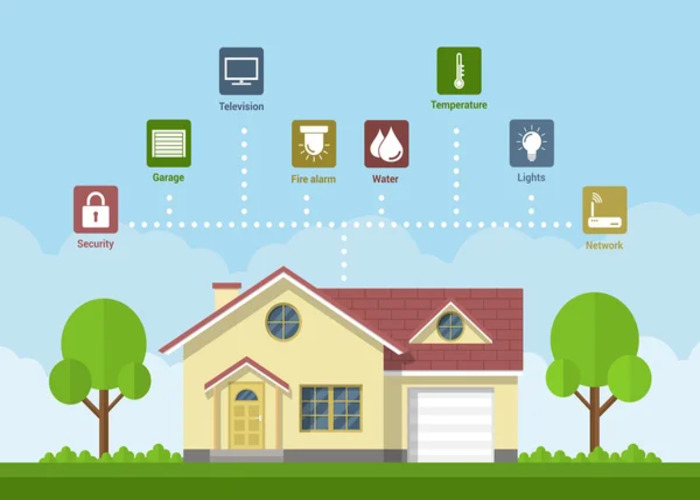
Smart home automation plays a crucial role in enhancing the overall comfort and convenience of residents. By integrating energy-efficient practices with automation, homeowners can enjoy a seamless blend of modern technology and a comfortable lifestyle.
Automated Lighting
Automated lighting systems allow residents to control the brightness and color of lights in their homes with a simple voice command or through a mobile app. This feature not only adds convenience by eliminating the need to manually adjust lights but also contributes to energy savings by ensuring lights are only used when needed.
Smart Thermostats
Smart thermostats enable homeowners to regulate the temperature of their homes remotely, ensuring optimal comfort while reducing energy consumption. These devices learn the household's temperature preferences and adjust settings accordingly, creating a comfortable living environment without unnecessary energy waste.
Integrated Security Systems
Home automation also extends to security systems, providing residents with peace of mind and convenience. Features like smart door locks, surveillance cameras, and motion sensors can be controlled and monitored remotely, enhancing home security while allowing residents to easily manage and customize their security settings.
Cost Efficiency
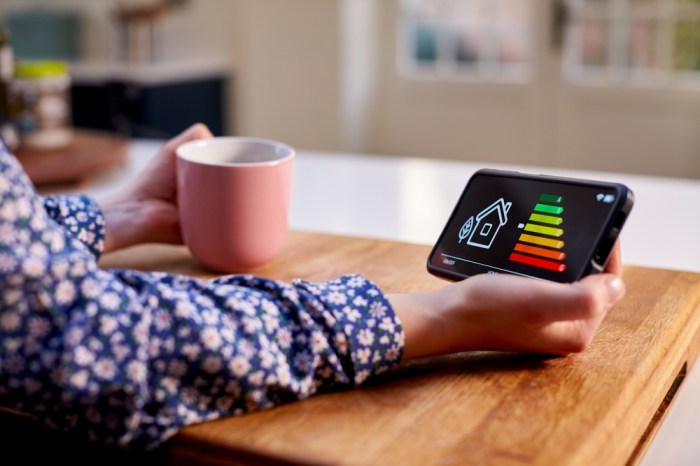
Combining home automation with energy efficiency not only helps in reducing energy consumption but also brings significant cost-saving benefits. Let's delve into the details of how this integration can lead to cost efficiency.
Initial Investment vs. Long-term Savings
When considering the initial investment costs of installing home automation and energy-efficient upgrades, it's essential to look at the long-term savings and returns. While there may be upfront expenses involved in purchasing and setting up automation technologies, the energy-saving benefits over time can result in substantial cost savings.
By investing in energy-efficient appliances, smart thermostats, and lighting controls, homeowners can lower their utility bills and recoup their initial investment in the long run.
Maximizing Cost Efficiency Through Smart Energy Management
One effective way to maximize cost efficiency is by implementing smart energy management practices through automation technologies. By setting up automated schedules for heating, cooling, and lighting systems, homeowners can optimize energy usage based on their specific needs and preferences.
Additionally, integrating renewable energy sources such as solar panels with home automation systems can further reduce reliance on grid power and decrease electricity bills.
Last Word
In conclusion, the synergy between home automation and energy efficiency offers a compelling narrative of modern living. From reducing energy consumption to enhancing environmental sustainability, the possibilities are endless. Embracing this transformative technology not only elevates our quality of life but also paves the way for a greener, more efficient future.
Detailed FAQs
How can home automation contribute to energy efficiency?
Home automation optimizes energy usage by allowing devices to operate more efficiently and smartly, reducing unnecessary energy waste.
What are some examples of energy-efficient devices that can be integrated into a smart home system?
Devices like smart thermostats, LED lighting, and energy monitoring systems are popular choices for enhancing energy efficiency in a smart home setup.
Is it possible to save money by combining home automation with energy efficiency?
Yes, integrating automation with energy-efficient practices can lead to significant cost savings over time by reducing energy bills and optimizing resource usage.