Embark on a journey into the realm of financial education for teenagers with a focus on money management. This guide delves into essential concepts and practical strategies to equip young minds with the skills needed to navigate the world of finances successfully.
From understanding the importance of financial literacy to hands-on activities and setting SMART goals, this guide covers everything you need to know to empower teenagers with the knowledge to make informed financial decisions.
Importance of Teaching Teenagers About Money Management
Teaching teenagers about money management is crucial in today's world where financial decisions play a significant role in shaping one's future. By instilling financial literacy at a young age, we equip teenagers with essential skills that will benefit them in the long run.
Financial Independence
- Understanding how to budget and save money allows teenagers to become financially independent at an early age.
- Teaching them about the importance of setting financial goals empowers them to make informed decisions about their spending habits.
Building a Secure Future
- By teaching teenagers about investing and the concept of compound interest, we help them secure their financial future.
- Learning about managing debt and the implications of credit cards prepares them to avoid financial pitfalls in adulthood.
Creating Responsible Citizens
- Financial education instills a sense of responsibility and accountability in teenagers, shaping them into financially responsible citizens.
- Understanding the value of money and the importance of giving back to the community fosters a sense of social responsibility.
Basic Concepts to Cover
When teaching teenagers about money management, it is crucial to cover essential concepts that will set a strong foundation for their financial future.
1. Budgeting
Budgeting is the process of creating a plan for how to spend money. It involves tracking expenses, setting financial goals, and allocating funds accordingly.
2. Saving
Saving is setting aside a portion of income for future use. Encouraging teenagers to save money helps them build financial security and develop responsible habits.
3. Investing
Investing involves putting money into assets with the expectation of generating a return. Teaching teenagers about investing early on can help them grow their wealth over time.
4. Needs vs. Wants
Understanding the difference between needs and wants is essential in making sound financial decisions. Needs are essential for survival, while wants are things that are nice to have but not necessary.
Interactive Learning Activities
Engaging teenagers in interactive learning activities is a great way to teach them about money management. By making the learning process fun and hands-on, they are more likely to grasp important financial concepts and develop good habits for the future.
Financial Literacy Games
- One fun idea is to organize a financial literacy game night where teenagers can play games that simulate real-life money scenarios. For example, games like Monopoly or The Game of Life can help them understand the importance of budgeting, saving, and making smart financial decisions.
- Another interactive activity could be creating a board game from scratch that focuses on different aspects of money management, such as investing, credit cards, and emergency savings. This hands-on approach allows teenagers to actively participate in the learning process and apply what they have learned.
Financial Simulations
- Implementing financial simulations can also be highly effective in teaching money management. Simulations like running a mock business, managing a virtual stock portfolio, or participating in a budgeting challenge can give teenagers a real-world experience of handling finances and making financial decisions.
- Online simulations and apps that simulate managing a budget, paying bills, and dealing with unexpected expenses can also be valuable tools to engage teenagers in practical money management scenarios.
Role-Playing Scenarios
- Role-playing scenarios where teenagers take on different financial roles, such as a banker, a consumer, or a financial advisor, can help them understand the dynamics of financial transactions and the importance of financial responsibility.
- By immersing themselves in these role-playing activities, teenagers can gain a deeper understanding of how money works in various situations and develop critical thinking skills when it comes to managing finances.
Setting Financial Goals
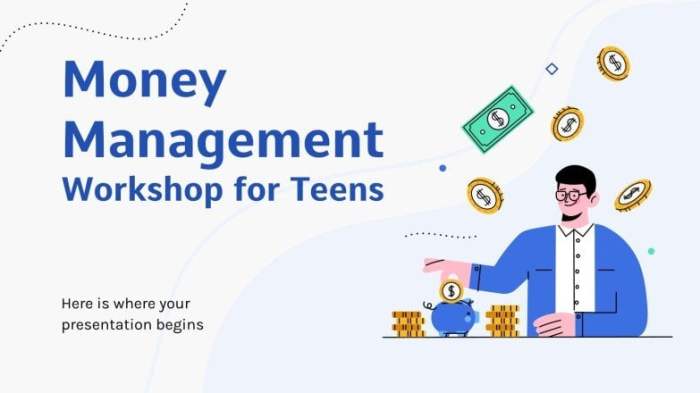
Setting financial goals is a crucial step in teaching teenagers about money management. It helps them understand the importance of planning for their future and making wise financial decisions. By setting SMART financial goals, teenagers can learn to be responsible with their money and work towards achieving their objectives.
Explain the Process of Setting SMART Financial Goals
- Specific: Encourage teenagers to be clear and specific about their financial goals. For example, saving a certain amount of money for a specific purchase or setting a target for their savings account.
- Measurable: Help teenagers set goals that can be measured, such as tracking their progress towards saving a certain amount each month.
- Achievable: Guide teenagers to set realistic goals that are within their reach. It's important for them to feel a sense of accomplishment when they reach their financial milestones.
- Relevant: Ensure that the financial goals set by teenagers are relevant to their personal financial situation and long-term objectives. This will motivate them to stay focused on their goals.
- Time-bound: Encourage teenagers to set deadlines for achieving their financial goals. This helps them stay disciplined and committed to their objectives.
Provide Tips on Helping Teenagers Prioritize Their Financial Objectives
- Encourage teenagers to identify their short-term and long-term financial objectives. Help them prioritize their goals based on urgency and importance.
- Teach teenagers the importance of budgeting and allocating funds towards their different financial goals. This will help them manage their money effectively and stay on track.
- Guide teenagers to focus on one goal at a time to avoid feeling overwhelmed. Breaking down larger objectives into smaller, manageable tasks can make the goal-setting process less daunting.
Discuss the Role of Goal-Setting in Developing Good Money Habits
Setting financial goals plays a significant role in helping teenagers develop good money habits that can last a lifetime. It teaches them the value of saving, planning, and being mindful of their spending habits. By setting and achieving financial goals, teenagers learn discipline, patience, and responsibility when it comes to managing their money effectively.
Teaching Responsible Spending
Teaching teenagers how to spend money responsibly is crucial for their financial well-being. By instilling good spending habits early on, they can avoid falling into debt traps and develop a healthy relationship with money.
Importance of Tracking Expenses
One effective strategy for teaching responsible spending is emphasizing the importance of tracking expenses. Encourage teenagers to keep a record of their purchases, whether through a mobile app or a simple notebook. By tracking their expenses, they can see where their money is going and identify areas where they can cut back.
Avoiding Impulse Purchases
Another key aspect of responsible spending is avoiding impulse purchases. Teach teenagers to pause and think before making a purchase. Encourage them to consider whether they really need the item or if it's just a want. One helpful tip is to wait 24 hours before buying something to see if they still want it.
Differentiating Between Needs and Wants
To help teenagers differentiate between needs and wants, provide them with real-life examples. For instance, explain that food and shelter are needs, while the latest smartphone or designer clothes are wants. Encourage them to prioritize their needs over their wants when making purchasing decisions.
Introduction to Banking and Saving

Opening a bank account and saving money are essential skills that teenagers should learn to secure their financial future. By understanding the basics of banking and saving, teenagers can start building a strong foundation for managing their finances effectively.
Types of Savings Accounts
- Regular Savings Account: A basic account that allows you to deposit and withdraw money easily. It usually offers low interest rates.
- High-Yield Savings Account: This type of account offers higher interest rates compared to regular savings accounts, allowing your savings to grow faster.
- Certificate of Deposit (CD): A CD is a time deposit that locks in your money for a specific period, usually offering higher interest rates in return.
Benefits of Saving Money
- Financial Security: Having savings can provide a safety net during emergencies or unexpected expenses.
- Opportunity to Invest: Savings can be a starting point for investing in the future, helping teenagers grow their wealth over time.
- Financial Independence: Saving money early can lead to financial independence and the ability to achieve long-term goals.
Building Savings Early
- Set Savings Goals: Encourage teenagers to set specific savings goals, whether it's for a new gadget, college fund, or future investments.
- Create a Budget: Teach teenagers how to allocate a portion of their income to savings each month, ensuring they prioritize saving as a habit.
- Automatic Transfers: Show teenagers how to set up automatic transfers from their checking account to their savings account, making saving effortless and consistent.
Final Wrap-Up
In conclusion, teaching teenagers about money management is a crucial step towards setting them up for financial success in the future. By instilling good money habits early on and providing them with the necessary tools and knowledge, we can help shape a generation of financially savvy individuals ready to take on the challenges of tomorrow.
FAQ Corner
How can I make learning about money management engaging for teenagers?
Introduce interactive activities, games, and simulations that make financial concepts relatable and fun for teenagers.
What are SMART financial goals, and how can teenagers benefit from setting them?
SMART goals are specific, measurable, achievable, relevant, and time-bound. By setting such goals, teenagers can have a clear direction and motivation to achieve their financial objectives.
Why is it important for teenagers to differentiate between needs and wants in financial decision-making?
Understanding the difference between needs and wants helps teenagers prioritize their spending, avoid unnecessary purchases, and develop responsible financial habits.