Embarking on the journey of Comparing the Top Smart Security Systems for Global Homes, this introduction aims to pique the interest of readers with a blend of informative insights and engaging details.
Delving into the specifics of smart security systems and their evolution over time provides a solid foundation for understanding the landscape of home security.
Overview of Smart Security Systems
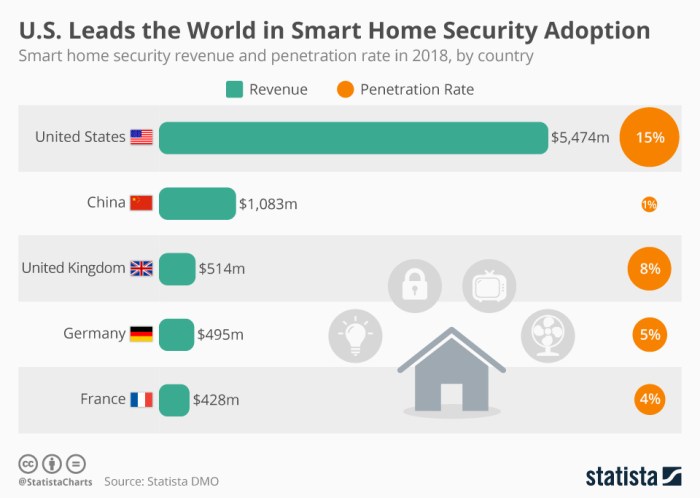
Smart security systems are advanced technological solutions designed to protect homes and properties from intruders, emergencies, and other security threats. These systems utilize a combination of sensors, cameras, alarms, and smart devices to provide round-the-clock surveillance and monitoring, allowing homeowners to remotely control and manage their security settings.
Key Components of a Smart Security System
- 1. Sensors: These devices detect motion, entry, smoke, or other disturbances and trigger alarms or notifications.
- 2. Cameras: Surveillance cameras provide visual monitoring of the property and can be accessed remotely through a mobile app or web portal.
- 3. Alarms: Sirens or alerts are activated in case of a security breach or emergency situation to deter intruders.
- 4. Smart Devices: Integration with smart locks, lights, and other devices allows for automated responses and enhanced security features.
Evolution of Smart Security Systems
Smart security systems have evolved significantly over the years, incorporating advanced technologies like artificial intelligence, machine learning, and cloud storage. The integration of smart home devices and voice assistants has made it easier for users to control and monitor their security systems remotely.
Additionally, the shift towards wireless and DIY installation options has made smart security systems more accessible and customizable for global homes.
Top Smart Security Systems in the Global Market
Smart security systems have become essential for homeowners worldwide, offering advanced features to protect properties and provide peace of mind. Let's compare some of the top smart security systems available globally and analyze their key features, pros, and cons.
1. Ring Alarm
Ring Alarm is a popular smart security system known for its easy installation and user-friendly interface. Key features include:
- Wireless connectivity for easy setup
- Customizable motion detection settings
- Integration with other Ring devices
Pros: Simple to install, affordable pricing
Cons: Limited third-party device integration
2. Nest Secure
Nest Secure offers a comprehensive smart security solution with features like:
- Advanced sensors for accurate detection
- Mobile app control for remote monitoring
- Integration with Google Assistant
Pros: Sleek design, reliable performance
Cons: Higher price point, limited compatibility with non-Nest devices
3. SimpliSafe
SimpliSafe is a customizable smart security system that appeals to users looking for flexibility. Key features include:
- DIY installation with no contracts
- 24/7 professional monitoring services
- Compatibility with Alexa and Google Assistant
Pros: Customizable packages, affordable monitoring plans
Cons: Limited smart home integrations, basic design
Integration and Compatibility
Smart security systems play a crucial role in the overall ecosystem of a smart home. One key aspect is how these systems integrate with other smart devices and how compatible they are with different operating systems and gadgets.
Integration with Other Smart Home Devices
Smart security systems are designed to work seamlessly with various other smart home devices, creating a cohesive and interconnected network. For example, they can integrate with smart locks, smart lights, thermostats, and even voice assistants like Amazon Alexa or Google Assistant.
This integration allows for enhanced automation and control over the entire smart home system.
Compatibility with Different Operating Systems and Devices
Compatibility is key when it comes to smart security systems. These systems should be able to work with different operating systems such as iOS, Android, or even Windows, ensuring that users can access and control them from any device. Additionally, compatibility with a wide range of gadgets like smartphones, tablets, and computers is essential for a seamless user experience.
Examples of Seamless Integration
- Smart security cameras can be integrated with smart lights to turn on automatically when motion is detected, enhancing security measures.
- Smart doorbell cameras can work with smart locks to allow for remote access control, granting or denying entry to visitors even when you're not at home.
- Smart security systems can be linked with voice assistants to arm or disarm the system using voice commands, adding an extra layer of convenience.
Security and Privacy Concerns
Smart security systems offer convenience and peace of mind, but they also raise concerns about security and privacy. Users need to be aware of potential risks and take measures to protect their data and property.
Common Security and Privacy Issues
- Unauthorized access: Hackers could potentially breach the system and gain access to sensitive information or control of the security devices.
- Data breaches: Personal data collected by the system, such as video footage or user credentials, could be compromised if the system is not properly secured.
- Privacy invasion: Improper use of collected data or unauthorized monitoring can lead to privacy violations for users and their families.
Measures Taken by Manufacturers
- Encryption: Manufacturers implement strong encryption protocols to secure data transmission and storage.
- Regular updates: Firmware updates are released to patch vulnerabilities and enhance system security.
- Two-factor authentication: Adding an extra layer of security with two-factor authentication can prevent unauthorized access.
Tips for Enhancing Security and Privacy
- Change default passwords: Always change default passwords to unique and strong ones to prevent easy access by hackers.
- Secure your network: Use a secure Wi-Fi network with a strong password to protect data transmission.
- Update regularly: Keep your smart security system and devices updated with the latest software to stay protected against known vulnerabilities.
- Review permissions: Regularly review and adjust the permissions granted to the smart security system to limit access to sensitive data.
Global Adoption and Trends
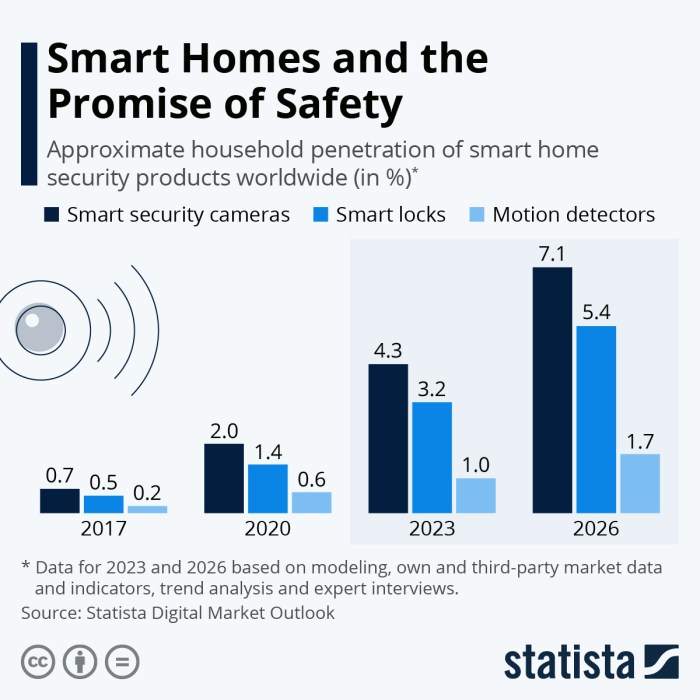
Smart security systems have seen a significant increase in global adoption rates over the past few years. As technology continues to advance, more homeowners and businesses are turning to smart security solutions to enhance their safety and security measures.
Global Adoption Rates
- According to a report by MarketsandMarkets, the global smart security system market is expected to reach $181.3 billion by 2025, with a compound annual growth rate (CAGR) of 18.1%.
- The increasing awareness about the benefits of smart security systems, such as remote monitoring, real-time alerts, and integration with other smart devices, has driven the adoption rates across various regions.
- Countries in North America and Europe have been early adopters of smart security systems due to higher disposable incomes, while regions like Asia-Pacific and Latin America are catching up rapidly.
Trends in the Smart Security System Market
- The rise of DIY (Do-It-Yourself) smart security systems has made it more accessible and affordable for consumers to install and manage their security systems without professional help.
- Integration of artificial intelligence (AI) and machine learning algorithms in smart security systems has improved the accuracy of threat detection and reduced false alarms.
- Smart security systems with cloud storage capabilities are gaining popularity as they offer secure storage of video footage and easy access from anywhere via the internet.
Factors Driving the Growth of Smart Security Systems Worldwide
- The increasing incidents of burglaries, vandalism, and cybercrimes have created a greater demand for advanced security solutions, driving the growth of smart security systems globally.
- The growing smart home trend, where homeowners are looking to automate and control various aspects of their homes, including security, has contributed to the rise in smart security system adoption.
- Government initiatives promoting smart city concepts and the development of smart infrastructure have also played a role in the widespread adoption of smart security systems across different regions.
Final Summary
Wrapping up our exploration of the top smart security systems, this conclusion encapsulates the key takeaways and leaves readers with a sense of fulfillment from the discussion.
Clarifying Questions
What are some common security and privacy concerns related to smart security systems?
Common concerns include hacking vulnerabilities, data breaches, and unauthorized access to camera feeds. Manufacturers address these by regularly updating software and implementing encryption protocols. Users can enhance security by using strong passwords and enabling two-factor authentication.
How do smart security systems integrate with other smart home devices?
Smart security systems often use protocols like Zigbee or Z-Wave to communicate with other devices. This allows for seamless integration with smart lights, thermostats, and door locks, creating a comprehensive smart home ecosystem.
What are the key components of a smart security system?
Key components include cameras, sensors, control panels, and connectivity modules. These elements work together to monitor and secure the home, providing real-time alerts and remote access for homeowners.