Embark on a journey exploring How Smart Homes Are Shaping the Future of Daily Living, delving into the innovative ways technology is transforming our homes and lifestyles.
Providing a comprehensive look at the impact of smart homes on our daily routines and the evolution of convenience they bring.
Overview of Smart Homes
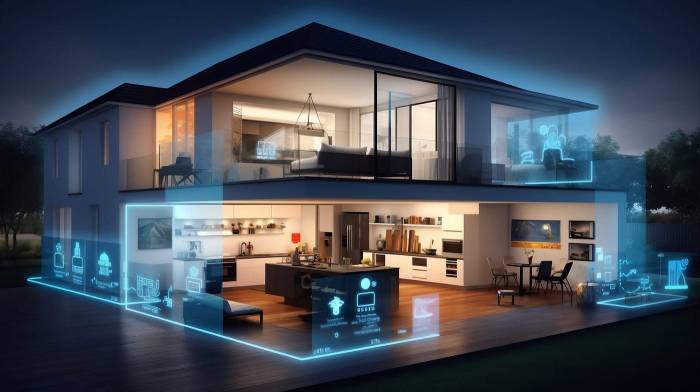
Smart homes are residences equipped with devices and systems that automate tasks and provide enhanced control over various functions, such as lighting, temperature, security, and entertainment. These homes utilize interconnected technology to improve convenience, efficiency, and security for inhabitants.
Key Components of a Smart Home System
- Sensors: Devices that collect data and monitor the environment, such as motion sensors, temperature sensors, and light sensors.
- Smart Hub: Centralized control unit that connects and manages all smart devices in the home.
- Smart Devices: Appliances and gadgets that can be controlled remotely or automated, like smart thermostats, smart locks, and smart speakers.
- Internet Connectivity: Essential for communication between devices and remote access through smartphones or other devices.
Benefits of Integrating Smart Technology into Homes
- Convenience: Allows for remote control and automation of various functions, making daily tasks easier and more efficient.
- Energy Efficiency: Smart devices can optimize energy usage, reducing utility bills and promoting environmental sustainability.
- Security: Enhanced security features like smart locks, cameras, and alarms provide peace of mind for homeowners.
- Accessibility: Smart home technology can benefit individuals with disabilities or limited mobility by enabling easier control of home functions.
Examples of Popular Smart Home Devices and Their Functionalities
- Smart Thermostats: Adjust temperature settings remotely, learn user preferences, and optimize energy usage.
- Smart Lighting: Control lights from anywhere, set schedules, and create ambiance with customizable settings.
- Smart Security Cameras: Monitor home remotely, receive alerts for motion detection, and store footage in the cloud.
- Voice Assistants: Interact with devices using voice commands, play music, provide information, and control smart home functions.
Impact on Daily Living
Smart homes have revolutionized daily living by enhancing convenience and efficiency in various ways. The role of automation in simplifying tasks within a smart home cannot be understated, making daily routines more manageable and enjoyable. Let's delve deeper into how smart homes compare to traditional homes in terms of efficiency, comfort, and real-life scenarios where smart home technology has significantly improved daily living experiences.
Enhanced Convenience and Efficiency
Smart homes offer a wide range of features that promote convenience and efficiency in daily living. From voice-activated assistants to automated lighting and temperature control, these technologies streamline tasks and provide a more seamless living experience.
Comparison with Traditional Homes
When comparing traditional homes with smart homes, the efficiency and comfort levels are notably different. Smart homes allow for remote monitoring and control of various systems, such as security, lighting, and climate control, providing a higher level of convenience and peace of mind.
Real-Life Scenarios
In real-life scenarios, smart home technology has proven to improve daily living experiences significantly. For example, smart thermostats can learn your preferences and adjust the temperature accordingly, saving energy and ensuring comfort. Smart security systems offer remote monitoring and alerts, enhancing safety and peace of mind for homeowners.
Security and Privacy Concerns
Smart homes bring convenience and efficiency to our daily lives, but they also raise concerns about security and privacy. As more devices become interconnected, the risk of cyber threats and data breaches increases. It is essential to understand the potential risks and take proactive measures to protect our personal information.
Security Risks of Smart Home Devices
- Unauthorized access: Hackers may exploit vulnerabilities in smart devices to gain access to sensitive information or control over the home's functions.
- Data breaches: Personal data collected by smart devices, such as cameras or sensors, can be compromised and used for malicious purposes.
- Malware attacks: Smart devices can be infected with malware, allowing cybercriminals to monitor activities, steal data, or disrupt operations.
Safeguarding Smart Homes from Cyber Threats
- Update software regularly: Ensure that all smart devices have the latest security patches to reduce vulnerabilities.
- Use strong passwords: Set unique and complex passwords for each device and change them periodically to prevent unauthorized access.
- Enable two-factor authentication: Add an extra layer of security by requiring a second form of verification to access smart home devices.
Privacy Issues with Data Collection
- Data sharing: Smart devices may collect and share personal data with third parties without explicit consent, raising concerns about privacy violations.
- Data storage: The storage of sensitive information on cloud servers poses a risk of data breaches if not adequately protected.
- Data tracking: Continuous monitoring of activities by smart devices can lead to the invasion of privacy and potential misuse of personal information.
Tips for Securing Personal Information
- Review privacy settings: Regularly check and adjust privacy settings on smart devices to limit data collection and sharing.
- Secure network connections: Use a secure Wi-Fi network and consider implementing network segmentation to isolate smart devices from other devices.
- Monitor device activity: Keep track of device logs and notifications for any suspicious behavior or unauthorized access attempts.
Energy Efficiency and Sustainability
Smart homes play a crucial role in promoting energy efficiency and sustainability by utilizing advanced technology to optimize energy consumption. This not only helps reduce utility bills but also contributes to a more eco-friendly lifestyle.
Energy Conservation
Smart homes are equipped with sensors and smart devices that monitor and control energy usage more efficiently than traditional homes. For example, smart thermostats can adjust the temperature based on occupancy patterns, saving energy when no one is home.
Reducing Utility Bills
The integration of smart devices in homes can lead to significant savings on utility bills. For instance, smart lighting systems can automatically turn off lights in unoccupied rooms, reducing electricity consumption and costs.
Eco-Friendly Features
Smart homes often incorporate eco-friendly features such as solar panels, energy-efficient appliances, and rainwater harvesting systems. These features not only reduce the environmental impact but also promote sustainable living practices.
Promoting Sustainable Living
By enabling homeowners to monitor and optimize their energy usage, smart technology encourages sustainable living practices. From reducing water wastage to minimizing electricity consumption, smart homes empower individuals to make environmentally conscious choices in their daily lives.
Closing Notes
In conclusion, the discussion highlights the profound changes smart homes are making in our lives, paving the way for a future where technology seamlessly integrates with our daily living experiences.
Clarifying Questions
Are smart homes secure against cyber threats?
Yes, smart homes can be vulnerable, but implementing strong security measures like unique passwords and regular software updates can help safeguard against cyber threats.
How do smart homes contribute to energy conservation?
Smart homes utilize energy-efficient devices and automation to reduce energy consumption, leading to a more sustainable and eco-friendly living environment.