Embark on a journey into the world of natural wood siding houses, where timeless elegance meets sustainable living. Discover the beauty and benefits of incorporating natural wood into your home's exterior, creating a warm and inviting atmosphere that stands the test of time.
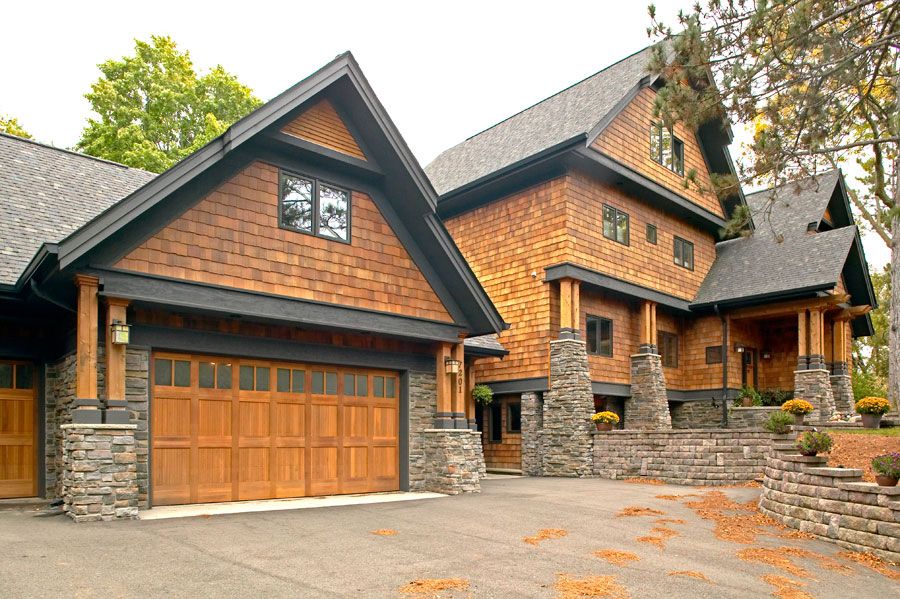
Overview of Natural Wood Siding Houses
Natural wood siding houses offer a timeless and classic aesthetic appeal that adds warmth and charm to any home. The natural grains and textures of wood create a unique and inviting look that is hard to replicate with other materials.Aesthetic Appeal of Natural Wood Siding
When it comes to aesthetics, natural wood siding stands out for its beauty and versatility. From traditional cedar shakes to modern board and batten styles, wood siding offers a wide range of design options to suit any architectural style.- Warm and inviting appearance
- Natural variations in color and texture
- Aged patina that enhances character over time
- Ability to be stained or painted in various colors
Benefits of Using Wood Siding
Aside from its visual appeal, wood siding also comes with several practical benefits that make it a popular choice for house construction.- Natural insulation properties that help regulate indoor temperature
- Durability and longevity when properly maintained
- Ease of repair and replacement of damaged sections
- Biodegradable and renewable resource
Environmental Impact of Natural Wood Siding
Choosing natural wood siding over synthetic materials can have a positive environmental impact due to its sustainability and biodegradability.- Low carbon footprint compared to manufacturing processes of other materials
- Potential for sourcing wood from responsibly managed forests
- Biodegradable at the end of its lifespan
- Promotes the use of renewable resources in construction
Types of Wood Used for Siding
When it comes to natural wood siding, there are several common types of wood that are frequently used. Each type has its own unique characteristics in terms of durability, maintenance requirements, and cost implications.Cedar
Cedar is a popular choice for wood siding due to its natural resistance to rot and insects. It is lightweight, easy to work with, and has a beautiful natural color that ages well over time. However, cedar siding requires regular maintenance and staining to preserve its appearance.Pine
Pine is another commonly used wood for siding, known for its affordability and availability. While pine is more susceptible to rot and insect damage compared to cedar, it can be treated with preservatives to improve its durability. Pine siding may require more frequent maintenance and refinishing to ensure longevity.Redwood
Redwood is a durable and highly attractive wood option for siding. It has natural oils that make it resistant to decay and insect infestations. Redwood siding is known for its rich color and texture, but it comes with a higher price tag compared to other wood species. Despite its higher cost, redwood siding requires minimal maintenance, making it a long-lasting investment.Spruce
Spruce is a cost-effective option for wood siding, often used as a budget-friendly alternative to cedar or redwood. While spruce is not as naturally resistant to decay as cedar or redwood, it can be treated with preservatives to enhance its durability. Regular maintenance, such as staining and sealing, is essential to prolong the lifespan of spruce siding.Installation Process
When it comes to installing natural wood siding on a house, there are specific steps that need to be followed to ensure a successful and long-lasting outcome. From preparation to finishing touches, each phase plays a crucial role in the overall installation process.Preparation
Before starting the installation, it is essential to gather all the necessary tools and materials. This includes:- Wood siding panels
- Nails or screws
- Hammer or nail gun
- Saw
- Tape measure
- Level
- Protective gear
Installation Steps
- Prepare the surface by removing any existing siding and ensuring the wall is clean and smooth.
- Measure and cut the wood siding panels to fit the dimensions of the wall, leaving room for expansion.
- Start at the bottom of the wall and work your way up, ensuring each panel is level and securely fastened.
- Overlap each panel slightly to prevent water infiltration and create a seamless look.
- Finish with trim pieces around windows, doors, and corners for a polished appearance.
Best Practices
When installing natural wood siding, it is crucial to follow these best practices to ensure longevity and quality:- Apply a protective finish to the wood to prevent rot, mold, and insect damage.
- Leave a small gap between panels to allow for expansion and contraction with changes in temperature and humidity.
- Regularly inspect the siding for any signs of damage or wear and address them promptly.
- Clean the siding periodically to remove dirt, debris, and mildew buildup.
- Consider hiring a professional if you are unsure about any aspect of the installation process to ensure a successful outcome.
Maintenance and Care
Maintaining natural wood siding is essential to prolong its lifespan and keep it looking beautiful. Regular care can help prevent issues and ensure the durability of your siding.Regular Cleaning and Inspections
- Regularly clean your wood siding with a mild detergent and water to remove dirt, mold, and mildew.
- Inspect the siding for any signs of damage, such as cracks, rot, or insect infestations, and address them promptly.
- Trim any nearby trees or bushes that may be touching the siding to prevent moisture retention and potential damage.
Protective Coatings and Sealants
- Apply a protective coating or sealant to the wood siding every few years to protect it from moisture, UV rays, and other elements.
- Consider using a clear sealant to showcase the natural beauty of the wood or choose a colored stain for added protection and aesthetic appeal.
- Ensure the siding is properly sealed around windows, doors, and other openings to prevent water infiltration.
Addressing Common Issues
- If you notice any signs of rot or decay, replace the affected boards immediately to prevent further damage.
- Treat any mold or mildew with a solution of water and bleach, scrubbing gently to remove it from the surface of the siding.
- Keep an eye out for pests, such as termites or carpenter ants, and take measures to eliminate them before they cause significant harm.
Importance of Regular Maintenance
Regular maintenance is crucial to prevent deterioration of natural wood siding. By taking care of your siding, you can extend its lifespan, maintain its appearance, and protect your home from potential water damage and other issues.Design Ideas and Inspiration
When it comes to incorporating natural wood siding into modern architecture, the possibilities are endless. Not only does wood siding add warmth and texture to a home, but it also creates a timeless and inviting look. Here are some design ideas and inspiration to help you make the most of natural wood siding:Enhancing Curb Appeal
Natural wood siding can greatly enhance the curb appeal of a house by adding a touch of sophistication and charm. The rich tones and natural grain of the wood can create a striking visual impact, making your home stand out in the neighborhood.Styles and Finishes
- Modern Minimalist: Opt for sleek, clean lines and a monochromatic color palette to achieve a contemporary look with natural wood siding.
- Rustic Charm: Embrace the natural beauty of wood with a more weathered finish and traditional design elements for a cozy, rustic feel.
- Scandinavian Simplicity: Create a light and airy aesthetic with light-colored wood siding and minimalist details inspired by Scandinavian design.
- Craftsman Appeal: Incorporate intricate details and craftsmanship into your wood siding for a timeless and elegant look inspired by the Arts and Crafts movement.