Exploring the world of HVAC tune-ups near me, this guide aims to shed light on the importance of regular maintenance and the key components involved in the process. Whether you're a DIY enthusiast or looking to hire a professional service, understanding the ins and outs of HVAC tune-ups is essential for optimal system performance.
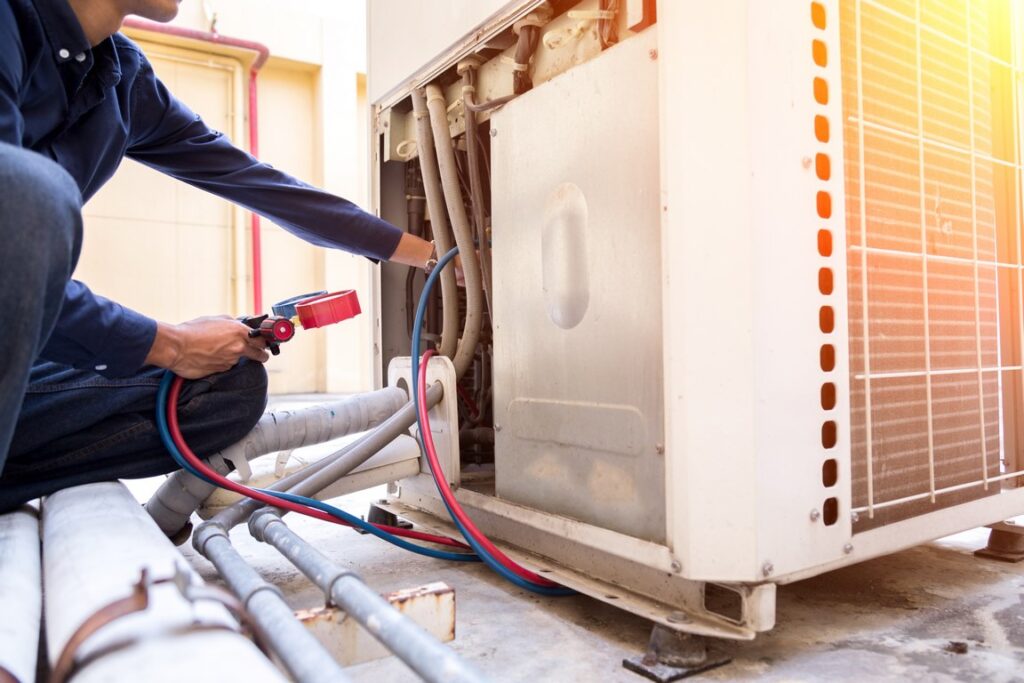
Importance of HVAC tune-up
Regular HVAC tune-ups are crucial for ensuring the optimal performance and longevity of your heating, ventilation, and air conditioning system. Here are some key reasons why HVAC tune-ups are essential:Improved Energy Efficiency
- During a tune-up, HVAC technicians will clean and inspect components such as filters, coils, and motors. This helps the system operate more efficiently by reducing energy waste.
- Well-maintained HVAC systems consume less energy, resulting in lower utility bills and reduced environmental impact.
- Properly tuned systems can also heat or cool your home more effectively, providing better comfort for you and your family.
Prolonged Lifespan of the System
- Regular maintenance can help identify and address minor issues before they escalate into major problems that could damage your HVAC system.
- By addressing issues promptly, tune-ups can prevent premature wear and tear on components, extending the overall lifespan of your HVAC system.
- Ultimately, investing in routine tune-ups can save you money on costly repairs or premature replacements in the long run.
What is included in an HVAC tune-up?
During an HVAC tune-up, several components are checked to ensure the system is running efficiently and effectively.Components Checked During an HVAC Tune-up
- Filters: Cleaning and replacing filters is crucial as dirty filters can restrict airflow, reduce efficiency, and lead to system breakdowns.
- Coils: Inspecting and cleaning evaporator and condenser coils to ensure proper heat transfer and efficient operation.
- Motors: Checking the blower motor and other motors for proper functioning and lubrication to prevent overheating and breakdowns.
- Refrigerant Levels: Ensuring refrigerant levels are adequate and there are no leaks, as improper levels can affect system performance and efficiency.
DIY HVAC tune-up vs. Professional HVAC tune-up
When it comes to HVAC maintenance, homeowners often wonder whether they should attempt a DIY tune-up or hire a professional. Both options have their pros and cons, so it's essential to understand the differences to make an informed decision.Benefits of DIY HVAC tune-up
- Cost-effective as you won't have to pay for professional services.
- You can perform basic maintenance tasks like changing filters and cleaning vents on your own.
- Flexibility to schedule the tune-up at your convenience.
Benefits of Professional HVAC tune-up
- Expertise and experience ensure thorough inspection and maintenance.
- Identification of potential issues early on to prevent costly repairs in the future.
- Professional tools and equipment used for precise tuning and adjustments.
When to hire a professional for an HVAC tune-up
- If you lack the necessary knowledge and skills to perform comprehensive maintenance tasks.
- When your HVAC system is old or experiencing frequent breakdowns.
- For safety reasons, especially when dealing with electrical components or complex system issues.
Safety considerations for DIY HVAC maintenance
- Always turn off the power supply before performing any maintenance tasks.
- Use proper safety gear like gloves and goggles to protect yourself from sharp edges or debris.
- Avoid tampering with intricate components or making adjustments beyond your expertise.
Finding the best HVAC tune-up service near me
When it comes to finding the best HVAC tune-up service near you, it is essential to do thorough research and select a reputable provider that meets your needs. Here are some tips to help you make an informed decision.Research and Select a Reputable HVAC Service Provider
Before choosing an HVAC service provider, take the time to research and gather information about different companies in your area. Look for the following:- Check for online reviews and ratings to see what previous customers have to say about their experiences with the company.
- Ask for recommendations from friends, family, or neighbors who have used HVAC services in the past.
- Verify the company's licenses and certifications to ensure they meet industry standards and regulations.