Delving into the realm of fire resistant siding materials, this guide unveils the diverse options available and the crucial role they play in ensuring safety and protection. From understanding their unique properties to exploring their impact on fire prevention, this narrative promises to be both informative and enlightening.
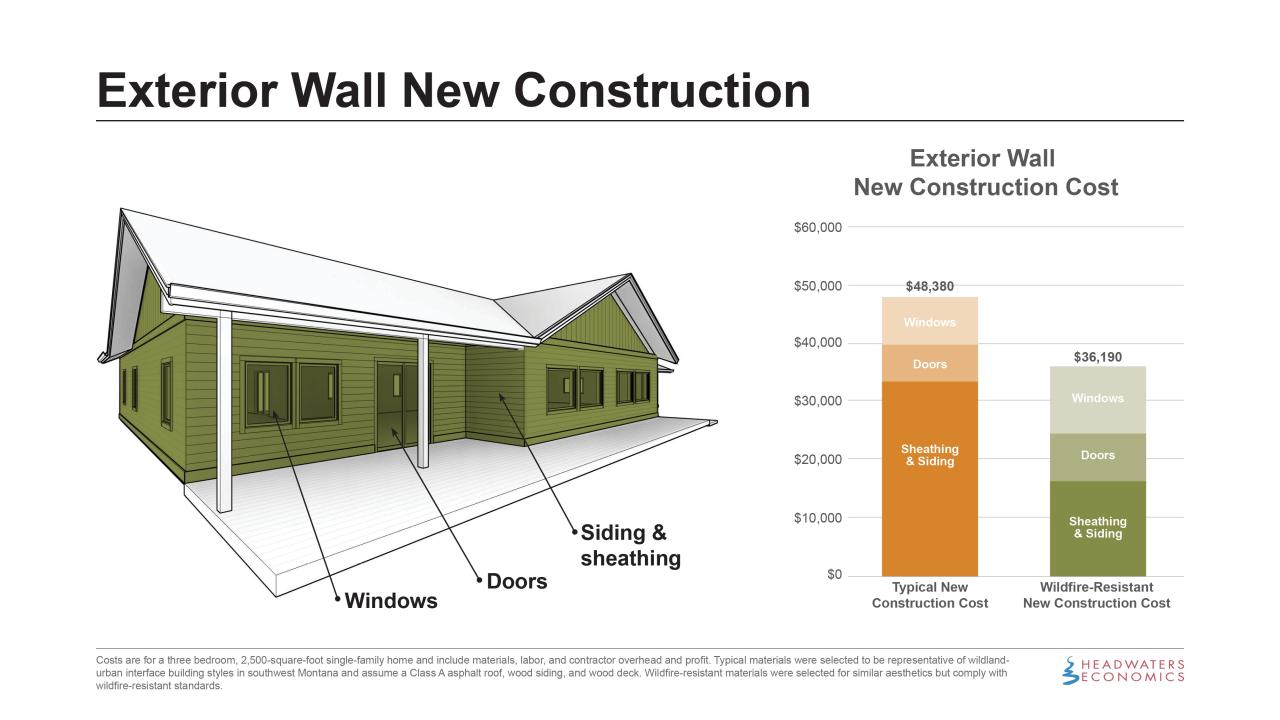 As we navigate through the nuances of fire resistant siding materials, a world of possibilities and advantages unfolds before us, shedding light on the importance of these innovative solutions in modern construction practices.
.
Additionally, using fire resistant siding materials can lead to lower insurance premiums, as they demonstrate a commitment to safety and risk mitigation.
As we navigate through the nuances of fire resistant siding materials, a world of possibilities and advantages unfolds before us, shedding light on the importance of these innovative solutions in modern construction practices.
.
Additionally, using fire resistant siding materials can lead to lower insurance premiums, as they demonstrate a commitment to safety and risk mitigation.
As we navigate through the nuances of fire resistant siding materials, a world of possibilities and advantages unfolds before us, shedding light on the importance of these innovative solutions in modern construction practices.
Types of Fire Resistant Siding Materials
When it comes to fire resistant siding materials, there are several options available in the market that offer different levels of protection and durability. Understanding the characteristics and properties of each type can help you make an informed decision for your home.Fiber Cement Siding
Fiber cement siding is a popular choice for its fire-resistant properties. Made from a combination of cement, sand, and cellulose fibers, this material is non-combustible and can withstand high temperatures without igniting. It is also resistant to rot, pests, and moisture. However, fiber cement siding can be heavy and require professional installation.Metal Siding
Metal siding, such as steel or aluminum, is another fire-resistant option for homeowners. Metal is non-combustible and can prevent the spread of flames in case of a fire. It is durable, low maintenance, and comes in a variety of finishes. On the downside, metal siding can dent easily and may not be as energy efficient as other materials.Brick Siding
Brick siding is known for its fire resistance and longevity. Bricks are inherently fireproof and can provide excellent protection against flames and heat. Additionally, brick siding is low maintenance, environmentally friendly, and has good thermal insulation properties. However, brick siding can be expensive to install and may require regular maintenance to keep its appearance.Stone Veneer Siding
Stone veneer siding offers a natural and fire-resistant option for homeowners. It is made from a thin layer of real stone attached to a backing material, providing the look of natural stone without the weight and cost. Stone veneer siding is highly durable, low maintenance, and can withstand extreme weather conditions. However, it may not offer the same level of fire resistance as solid stone siding.Benefits of Using Fire Resistant Siding Materials
Using fire resistant siding materials in construction is crucial for enhancing the safety of buildings and reducing fire risks in residential and commercial structures. These materials offer numerous benefits that contribute to the overall well-being of occupants and the protection of property.Enhanced Safety Features
Fire resistant siding materials are specifically designed to withstand high temperatures and resist flames, thereby creating a barrier that can prevent the spread of fire within a building. In the event of a fire, these materials can help contain the flames and limit the damage, giving occupants more time to evacuate safely.Reduced Fire Risks
By incorporating fire resistant siding materials into the construction of a building, the overall fire risk is significantly reduced. These materials are less likely to ignite or contribute to the spread of fire, making them a valuable investment for both residential and commercial propertiesLong-Term Durability
In addition to their fire-resistant properties, these siding materials are also known for their durability and longevity. They can withstand harsh weather conditions, resist rot and decay, and require minimal maintenance over time. This means that buildings constructed with fire resistant siding materials not only benefit from increased safety but also enjoy a longer lifespan and reduced repair costs.Installation and Maintenance of Fire Resistant Siding Materials
When it comes to installing fire resistant siding materials, it is important to follow specific steps to ensure proper installation and effectiveness in protecting your home.Installation Process
- Start by preparing the surface where the siding will be installed, ensuring it is clean and free of debris.
- Measure and cut the siding panels to fit the dimensions of your walls, making sure to leave space for expansion and contraction.
- Secure the siding panels to the wall using the recommended fasteners or nails, following the manufacturer's guidelines.
- Seal all joints and edges to prevent moisture infiltration and enhance the fire resistance properties of the siding.
- Finish the installation by adding trim pieces and ensuring all components are properly aligned and sealed.
Maintenance Tips
Proper maintenance of fire resistant siding materials is essential to ensure their longevity and effectiveness in protecting your home from fire hazards.- Regularly inspect the siding for any signs of damage, such as cracks or warping, and repair or replace damaged sections promptly.
- Clean the siding regularly to remove dirt, debris, and other contaminants that can affect its fire resistance properties.
- Avoid using abrasive cleaners or harsh chemicals that can damage the siding material and compromise its fire resistance.
- Consider applying a fresh coat of fire retardant paint or sealant to enhance the fire resistance of the siding over time.
Fire Resistance Ratings and Standards
Fire resistance ratings for siding materials are determined through rigorous testing procedures that measure the material's ability to withstand fire and prevent its spread. These ratings provide valuable information to consumers and builders about the level of protection a particular siding material can offer in case of a fire incident.Different Fire Resistance Standards
- ASTM E84: ASTM E84 is a standard test method for surface burning characteristics of building materials. It measures the flame spread and smoke development of a material when exposed to fire.
- UL 723: UL 723 is a fire test standard that evaluates the surface burning characteristics of building materials. It provides a flame spread index and smoke developed index for the material being tested.
- NFPA 285: NFPA 285 is a standard test method for evaluating the fire propagation characteristics of exterior non-load-bearing wall assemblies containing combustible components. It assesses the potential for fire to spread vertically and laterally on the exterior wall.