Exploring the world of siding for homes, this guide delves into the various materials, factors to consider, design aspects, and installation tips to help you make the best choice for your home.
As we navigate through the different elements of siding, you'll gain valuable insights into what makes a siding option the best fit for your unique needs and preferences.
Types of siding materials
Vinyl siding and wood siding are two popular options for homes, each with its own set of benefits and drawbacks. Vinyl siding is known for its durability and low maintenance requirements. It is resistant to moisture, rot, and insects, making it a long-lasting option for homeowners. On the other hand, wood siding offers a classic and natural look to homes but requires more maintenance, such as regular painting or staining to protect it from the elements.Examples of siding materials
- Vinyl siding: A cost-effective and durable option that comes in a variety of colors and styles.
- Wood siding: Offers a traditional and timeless look but requires more maintenance to prevent decay.
- Fiber cement siding: A versatile option that mimics the look of wood but is more durable and resistant to fire and pests.
- Metal siding: Provides a modern and sleek appearance, with options like aluminum, steel, or copper.
Maintenance requirements for each type of siding material
- Vinyl siding: Requires occasional cleaning with a mild detergent and water to maintain its appearance.
- Wood siding: Needs regular painting or staining every few years to protect it from moisture and rot.
- Fiber cement siding: Requires minimal maintenance, with occasional cleaning to remove dirt and debris.
- Metal siding: Generally low maintenance, but may need occasional touch-ups to prevent rust or corrosion.
Factors to consider when choosing siding
When selecting the best siding for homes, several factors need to be taken into consideration to ensure durability, energy efficiency, and overall aesthetic appeal.Climate impact on siding material
The climate of the area where the home is located plays a crucial role in the choice of siding material. For instance, regions with high humidity levels may require siding materials that are resistant to moisture, such as vinyl or fiber cement. On the other hand, areas prone to extreme weather conditions like hail or strong winds may benefit from more durable materials like metal or engineered wood.Cost considerations
Cost is another significant factor to consider when choosing siding for your home. While some materials may have a higher upfront cost, they could potentially save you money in the long run due to their durability and low maintenance requirements. It is essential to weigh the initial investment against the long-term benefits to make an informed decision that fits within your budget.Energy efficiency of siding materials
Different siding materials offer varying levels of energy efficiency, which can impact your home's heating and cooling costs. Insulated siding, for example, can help improve your home's energy efficiency by reducing heat loss during the winter and heat gain during the summer. Understanding the energy efficiency properties of different siding materials can help you choose an option that not only enhances the look of your home but also saves you money on energy bills.Design and aesthetic considerations
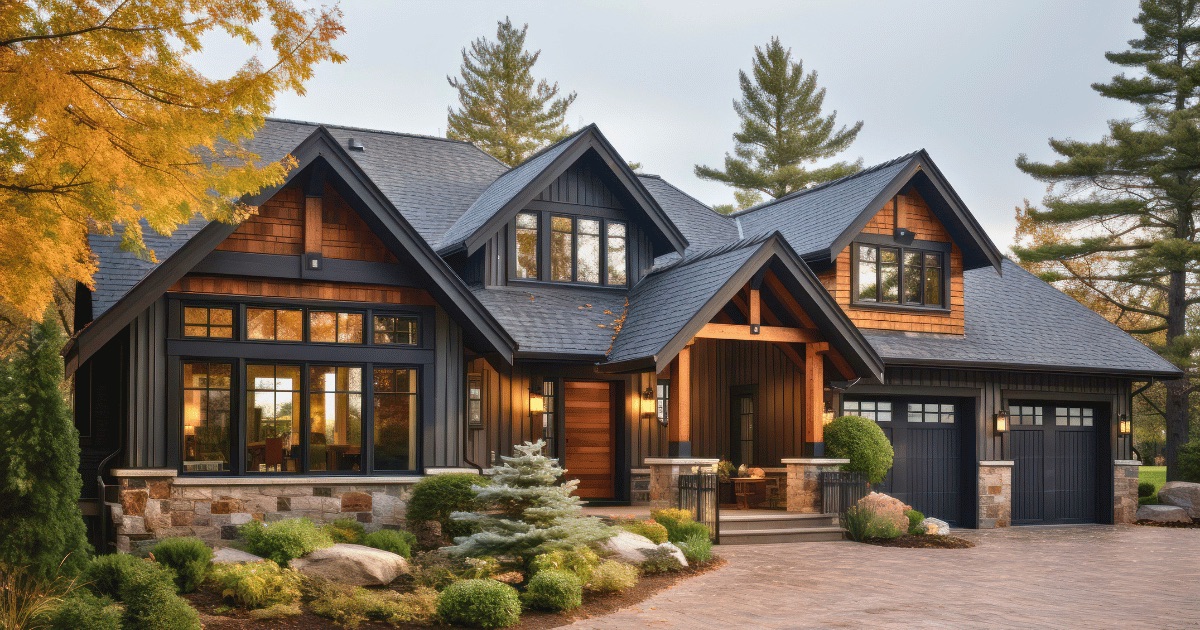
When it comes to enhancing the curb appeal of a home, the choice of siding material plays a crucial role in achieving a visually appealing exterior. Different siding materials offer various textures, colors, and styles that can complement the overall design of a house.Enhancing curb appeal with siding materials
- Wood siding: Adds a warm and natural look to a home, perfect for traditional or rustic architectural styles.
- Vinyl siding: Comes in a wide range of colors and styles, offering versatility for modern and contemporary homes.
- Fiber cement siding: Mimics the look of wood but with lower maintenance requirements, suitable for a timeless and elegant appearance.
Popular siding colors and styles for modern homes
- Neutral colors like gray, beige, and white are popular choices for a clean and timeless look.
- Dark colors such as navy blue, charcoal, and black can create a bold and sophisticated appearance.
- Vertical siding, board and batten, and shake-style siding are trendy options for adding visual interest and depth to the exterior.
Versatility of siding materials in achieving architectural designs
- From traditional to contemporary architectural styles, siding materials can be tailored to suit various design aesthetics.
- Mixing different siding materials like stone veneer accents or metal panels can create a unique and eye-catching facade.
- Customizing the layout and pattern of siding installation can further enhance the architectural details and overall aesthetics of a home.
Installation and maintenance tips
When it comes to installing and maintaining siding for your home, there are crucial steps and practices to follow to ensure longevity and quality.Installing vinyl siding
Installing vinyl siding on a home involves several key steps to achieve a professional and durable finish. Here are the general steps:- Prepare the walls by ensuring they are clean, smooth, and free of any debris.
- Install a moisture barrier to protect against water damage.
- Begin installing the vinyl siding from the bottom, working your way up and overlapping each piece.
- Secure the siding with nails, making sure to leave space for expansion and contraction.
- Finish the installation with trim pieces around windows, doors, and corners for a polished look.
Maintaining siding materials
Proper maintenance is key to preserving the quality and longevity of your siding materials. Here are some best practices:- Clean your siding regularly with a gentle detergent and water to remove dirt and grime.
- Inspect for any damage or signs of wear and tear, such as cracks, holes, or warping, and repair promptly.
- Consider applying a fresh coat of paint or sealant every few years to protect against the elements.
- Trim trees and bushes near your home to prevent damage from branches or leaves rubbing against the siding.
Importance of ventilation and insulation
Proper ventilation and insulation play a crucial role in the installation of siding, helping to regulate temperature and moisture levels inside your home. Here's why it's important:Good ventilation helps prevent moisture buildup, reducing the risk of mold, mildew, and rot.
Insulation improves energy efficiency, keeping your home warm in winter and cool in summer.
Proper insulation can also prevent issues like drafts, which can affect your comfort and energy bills.